

X
- No products in the list
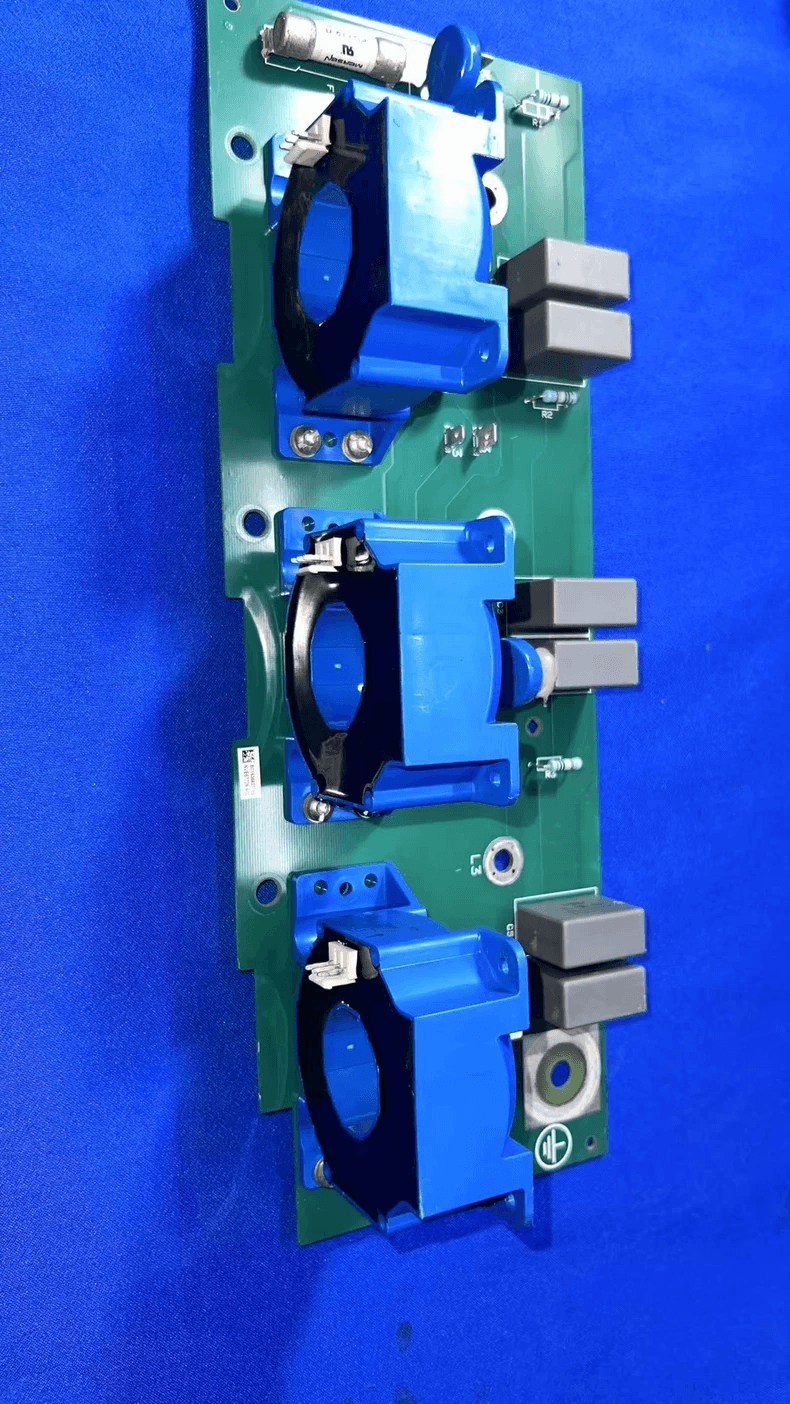
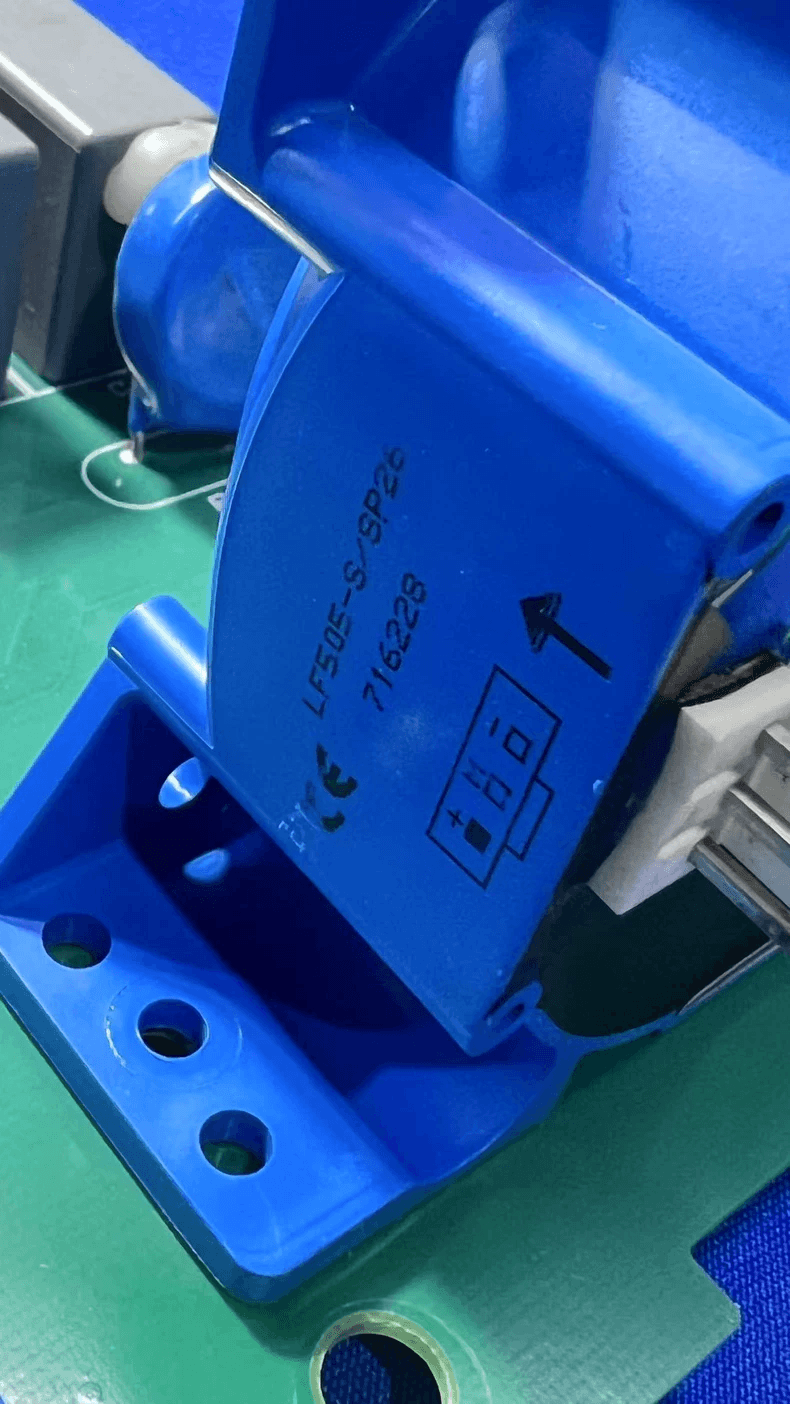
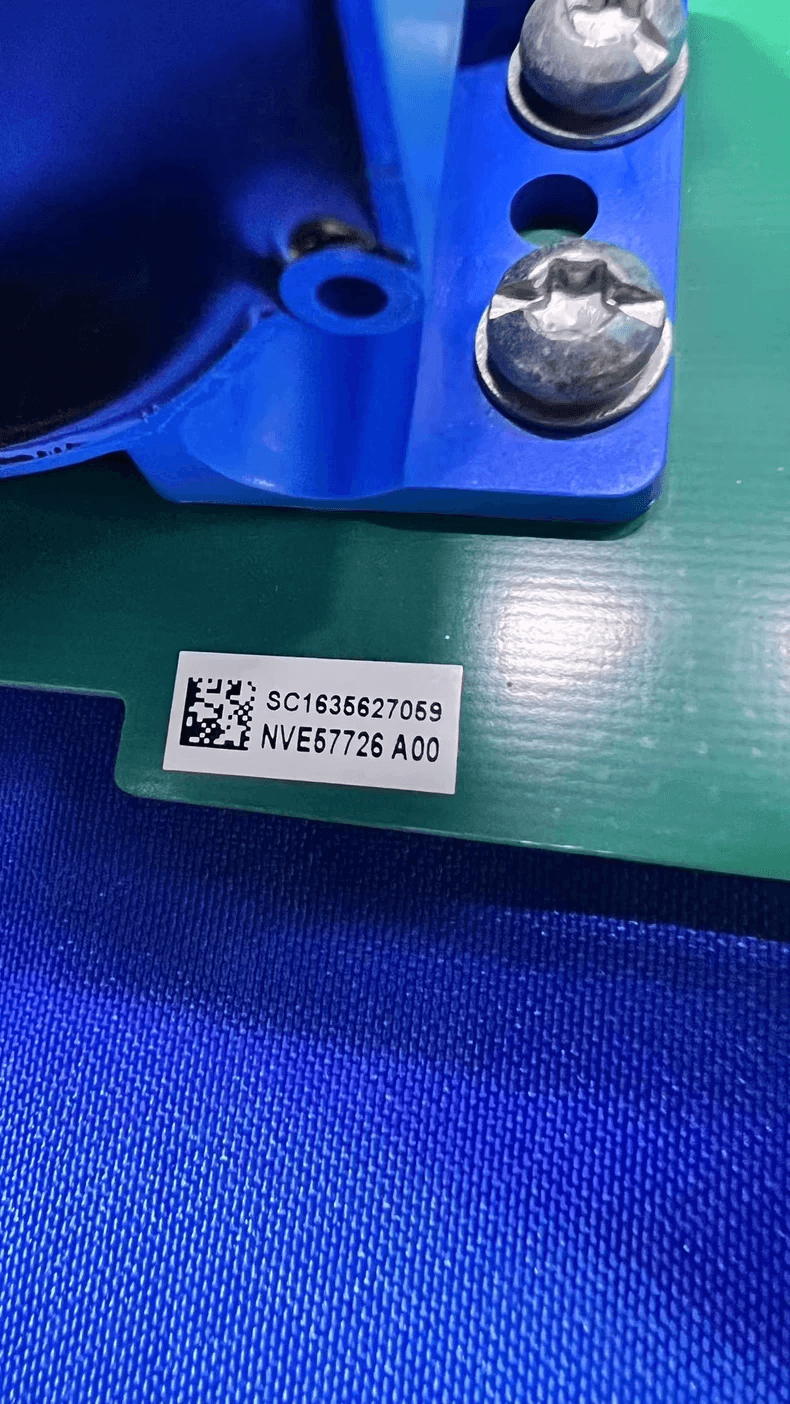
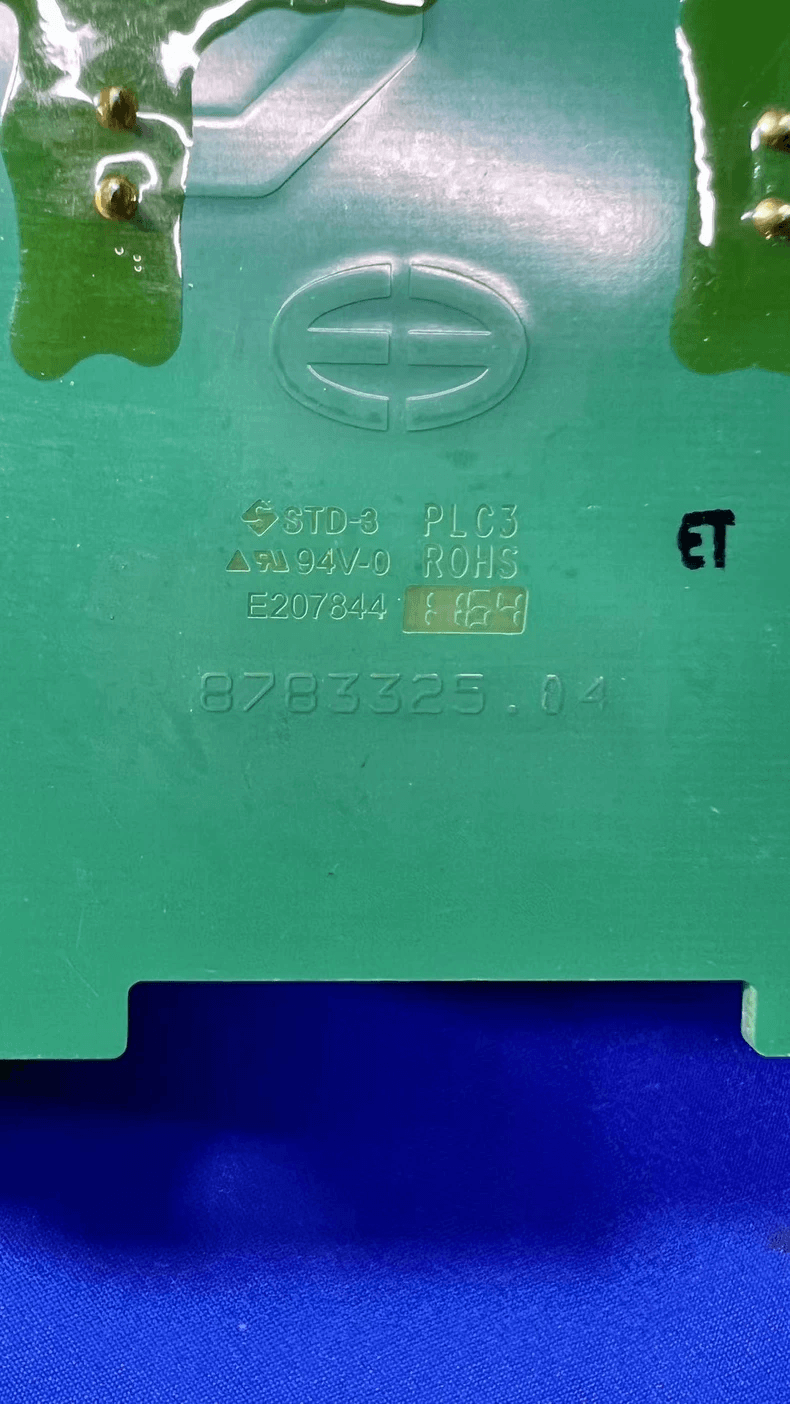
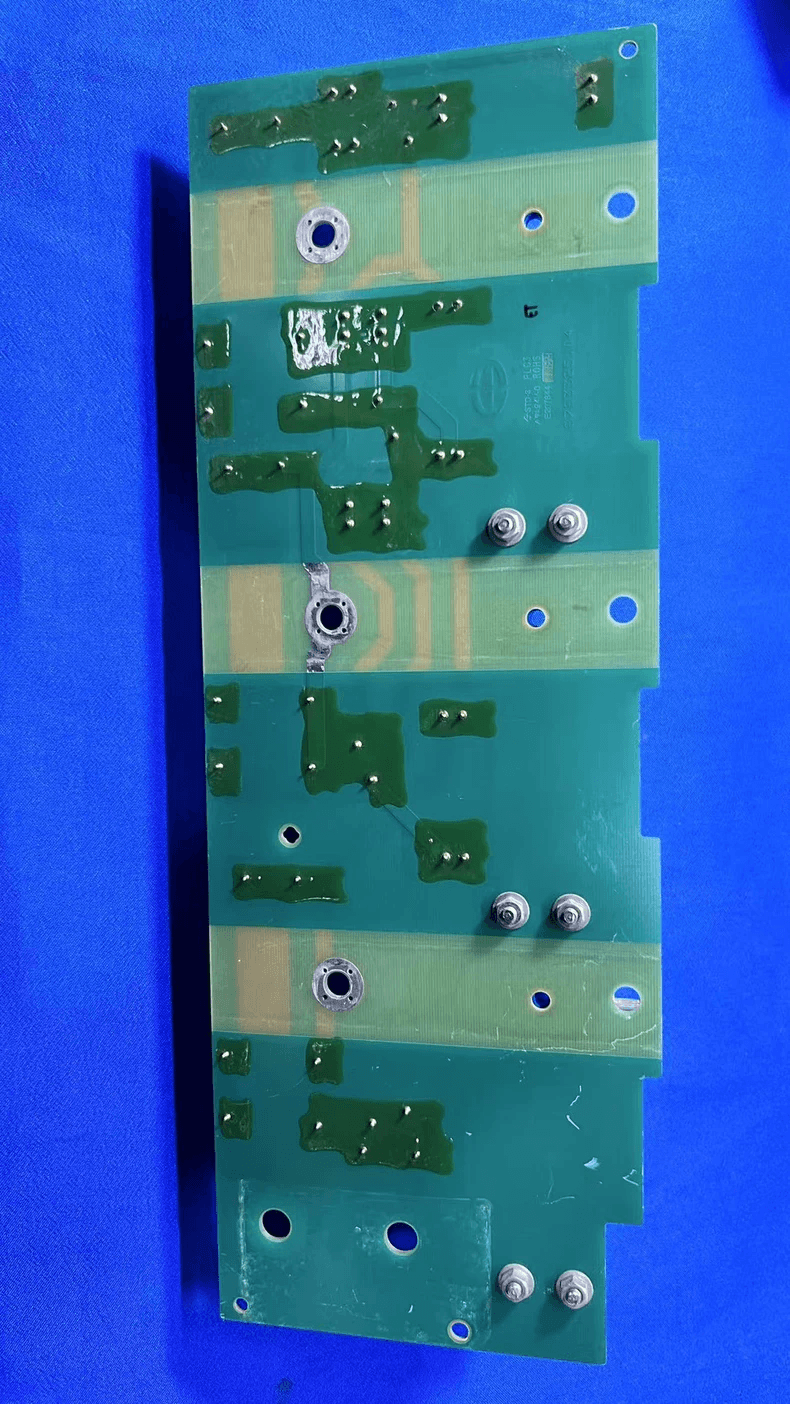
The Schneider LF505-S/sp26 is the current transformer / sensor board used in high-power Altivar ATV610, ATV630, and ATV930 drives, covering the 220–315 kW range. The board’s core sensing element is the LEM LF505-S/SP26 closed-loop Hall-effect current transducer, rated for 500 A nominal with a measurement range of ±800 A. Its function is to provide galvanically isolated, accurate current feedback to the drive’s control board, enabling closed-loop motor control, overcurrent protection, and earth-fault detection.
This is a current measurement and feedback component, not the main control board or the power stage itself. Supplied as a tested replacement unit, it is intended for cases where the current sensing path has been isolated as the fault source after systematic diagnostics.
| Specification | Details |
|---|---|
| Part Number | LF505-S/sp26 |
| Product Type | Current Transformer / Sensor Board |
| Core Sensor | LEM LF505-S/SP26 (closed-loop Hall-effect) |
| Compatible Drives | ATV610 / ATV630 / ATV930 (high-power models) |
| Power Range | 220 kW – 315 kW (verify exact drive MLFB) |
| Nominal Primary Current | 500 A |
| Measurement Range | ±800 A (DC, AC, pulsed) |
| Supply Voltage | ±15 V to ±24 V DC |
| Accuracy | 0.6% |
| Isolation | Galvanic isolation between primary and secondary circuits |
| Associated Fault Codes | InF9 (Current measurement fault); InFC (Current sensor supply low) |
| Condition | Tested replacement unit |
Important Diagnostic Boundary: The LF505-S/sp26 board is not the only possible cause of InF9 or InFC. Schneider’s official guidance for these faults lists bad current sensors, bad control/power board, or a poor ribbon cable connection between them as probable causes. For InFC specifically, the recommended isolation procedure is to disconnect the current transformer of the identified brick and power up; if the fault clears, the sensor is implicated; if it persists, the inverter/AFE power board should be suspected. Replacing the sensor board is appropriate only after this isolation has been performed or strongly indicated.
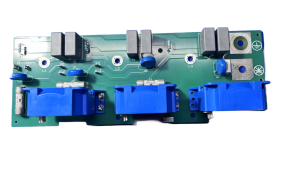
The board becomes the primary suspect under these conditions:
Critical caution: Before replacing this board, check the ribbon cable between the control board and power board, and rule out a control board or power board fault as the source of InF9/InFC. A new sensor board will not resolve the fault if the root cause is an unstable supply or a faulty control board.
Before ordering, confirm the following:
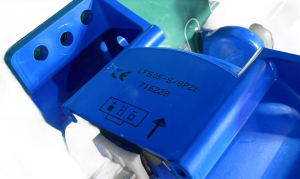
The core sensing element is a LEM LF505-S/SP26 closed-loop Hall-effect transducer. The board itself is used within Schneider ATV610/630/930 drives. The LEM designation identifies the sensor component; the “sp26” suffix refers to the specific LEM variant.
No. InF9 indicates that current measurements are incorrect. Schneider lists bad current sensors, bad control/power board, and ribbon cable issues as probable causes. The sensor board should be replaced only after the control/power board and wiring have been ruled out.
InF9 is a current measurement error — the drive sees incorrect current values. InFC is a current sensor supply error — the drive detects that the supply voltage to the current sensors is too low. InFC points more specifically toward the sensor supply path, but can also originate from the power board